0.2: keep the sources, show the steps more clearly
For 0.2, I worked on two things: keeping the complete project intact and making the finished instruction easier to follow.
An archive should carry the whole project
I want to reopen a project later without searching for the original model or a missing texture first. Assembly Studio now retains imported source files and their local dependencies. Its portable archive also carries media, history and released versions.
At the same time, identical data does not need to be saved again for every version. The new storage compresses objects losslessly and reuses identical content. Restoring an archive creates a new project rather than replacing an existing working version.
The arrow belongs to the part
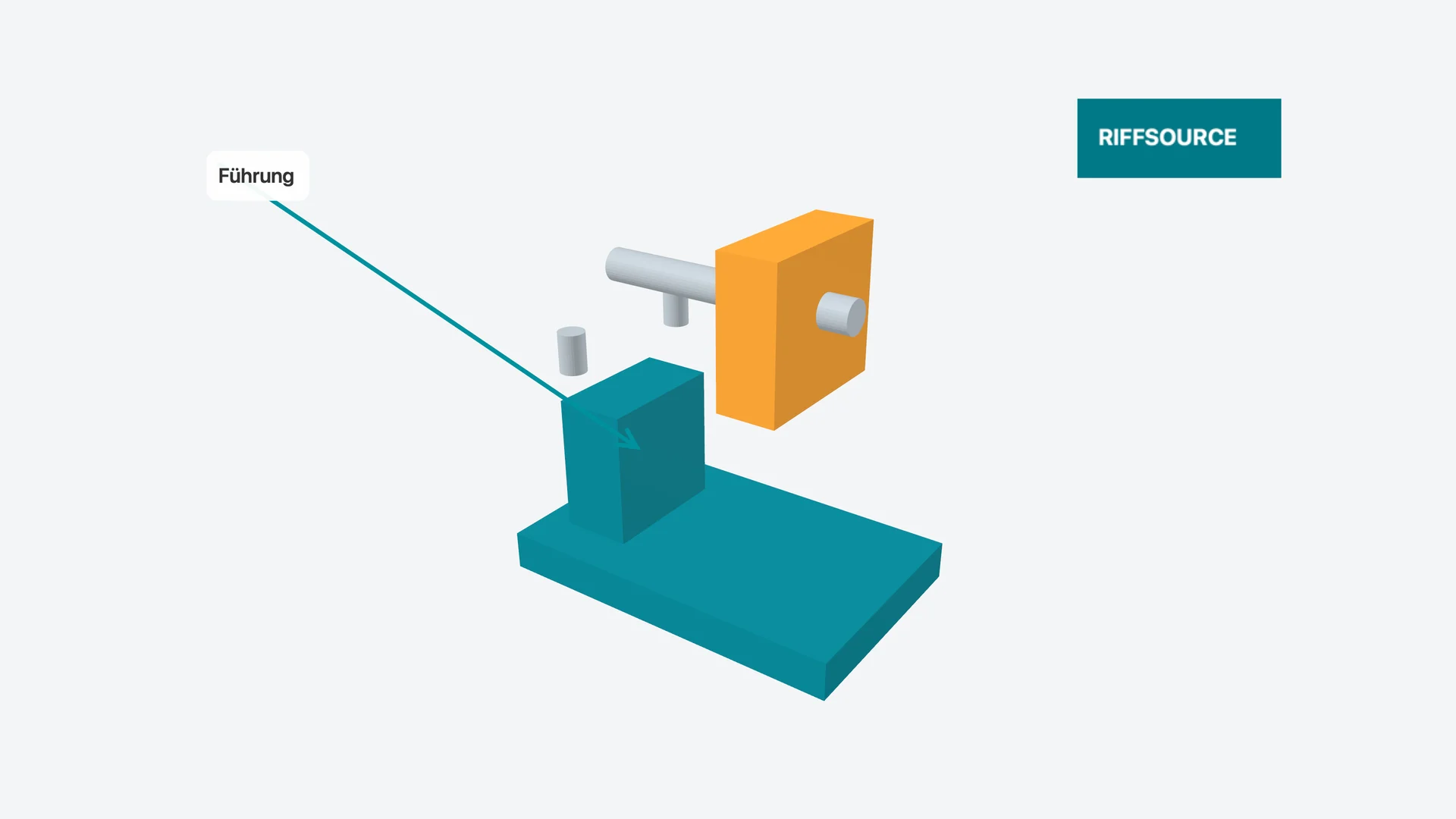
A label at a fixed position on the image is easy to place. Once I rotate the camera or move the part, it can point at the wrong thing. In 0.2, I can pick a point on the 3D part itself. Arrows and text follow that anchor in the view and the supported outputs.
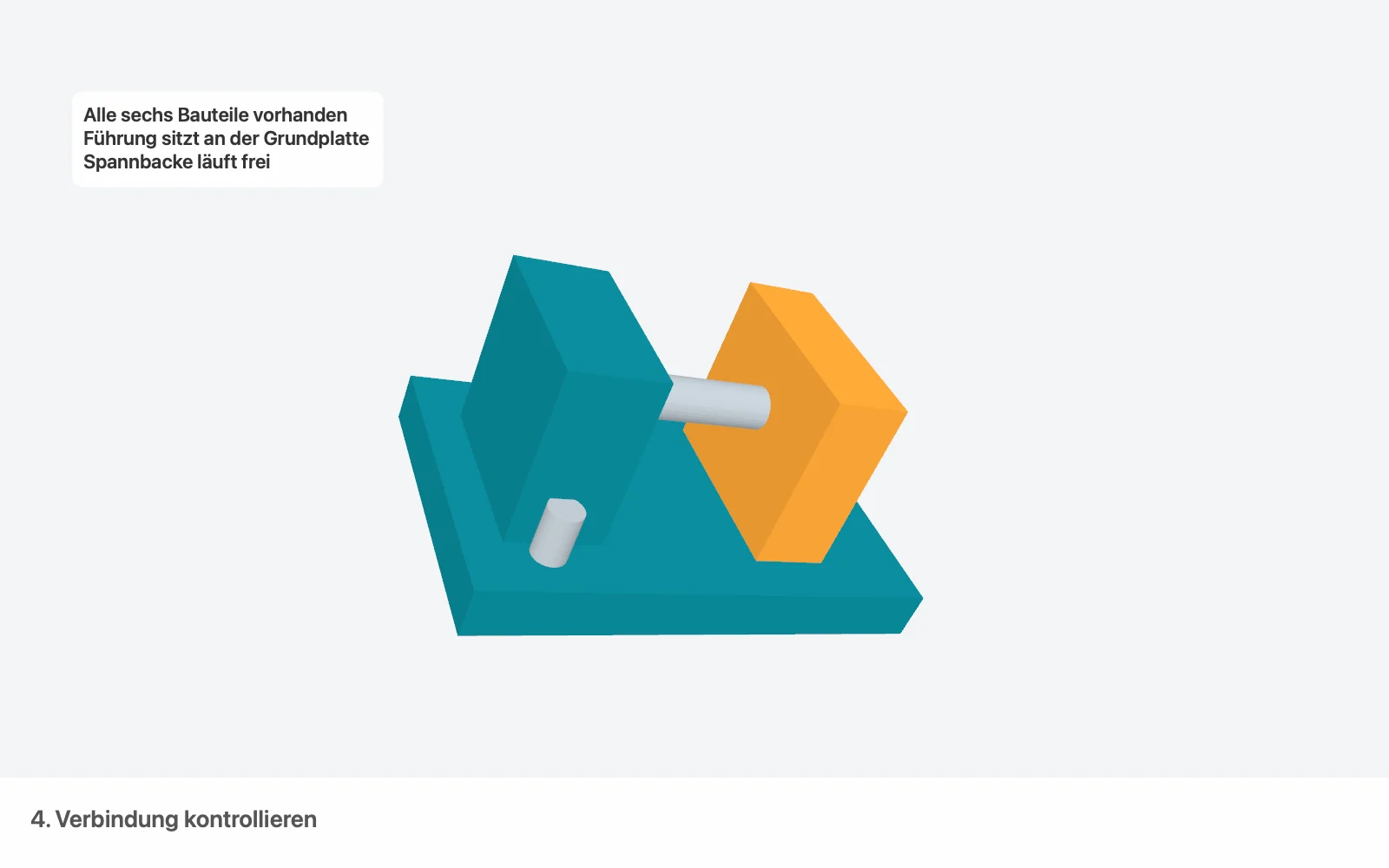
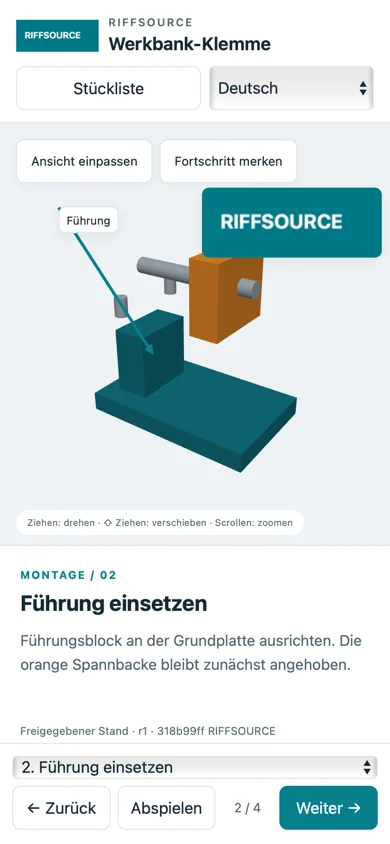
The workbench clamp example shows the difference. Its guide label stays connected to the relevant part. A completeness check also helps me find missing text, translations and unresolved part matches before a release. It does not replace checking the instruction itself.
Open it, show it, pass it on
The standalone web viewer now opens with a double-click. Nobody needs to start a local server for that output. I have also worked on narrow layouts and optional saved checklist progress. PNG and H.264 output reach 4K, and a video can include offline speech, my own voice track and music.
Getting the camera back under control
Repeated rotation could previously leave the view tilted sideways. I reworked the camera basis and removed its vertical limit. Standard view or R straightens the model again. F fits the current view without replacing its direction. Free rotation in preview does not change the saved instruction.
IGES joins the model formats, and an optional private server connection is prepared. This is still a local development version, rather than an already operating cloud service. The next steps concern usability and preparing a proper public distribution.